This area focuses on how your child learns, not just what they learn. Young children’s brains grow quickly, making important connections every day. Children develop certain skills that help them become better learners:
Being curious and taking initiative
Learning to focus and solve problems
Managing feelings and behaviors
Using imagination and creativity
Learning through play and exploration
Children who develop these skills become better at learning new things, even when tasks are challenging or take time. They learn to set goals and work toward them. These learning approaches help your child in all areas of development and prepare them for success in school and life.
Approaches to Learning include curiosity & initiative, problem solving, risk-taking, persistence, confidence as well as effort, & attentiveness. Depending on the quality of their early experiences, children either form healthy or unhealthy attitudes toward learning.
Curiosity and Interest in Learning New Things
Activity: Take children on a nature walk to gather natural materials like rocks, pinecones, and moss. Discuss their uses in traditional Alaska Native cultures and incorporate these items into the classroom for imaginative play or art.
Sustained Attention and Persistence
Activity: Encourage children to create a traditional fish trap or basket using small twigs and yarn. The project will take multiple sessions, allowing them to practice persistence and problem-solving.
Activities
Cars and Trucks
Take cars and trucks outside and build a road system.
Skills Developed:
explore the visual, dramatic and imagination
flexibility
creativity
social and emotional development
receptive and expressive language
problem-solving abilities
Foil Boat
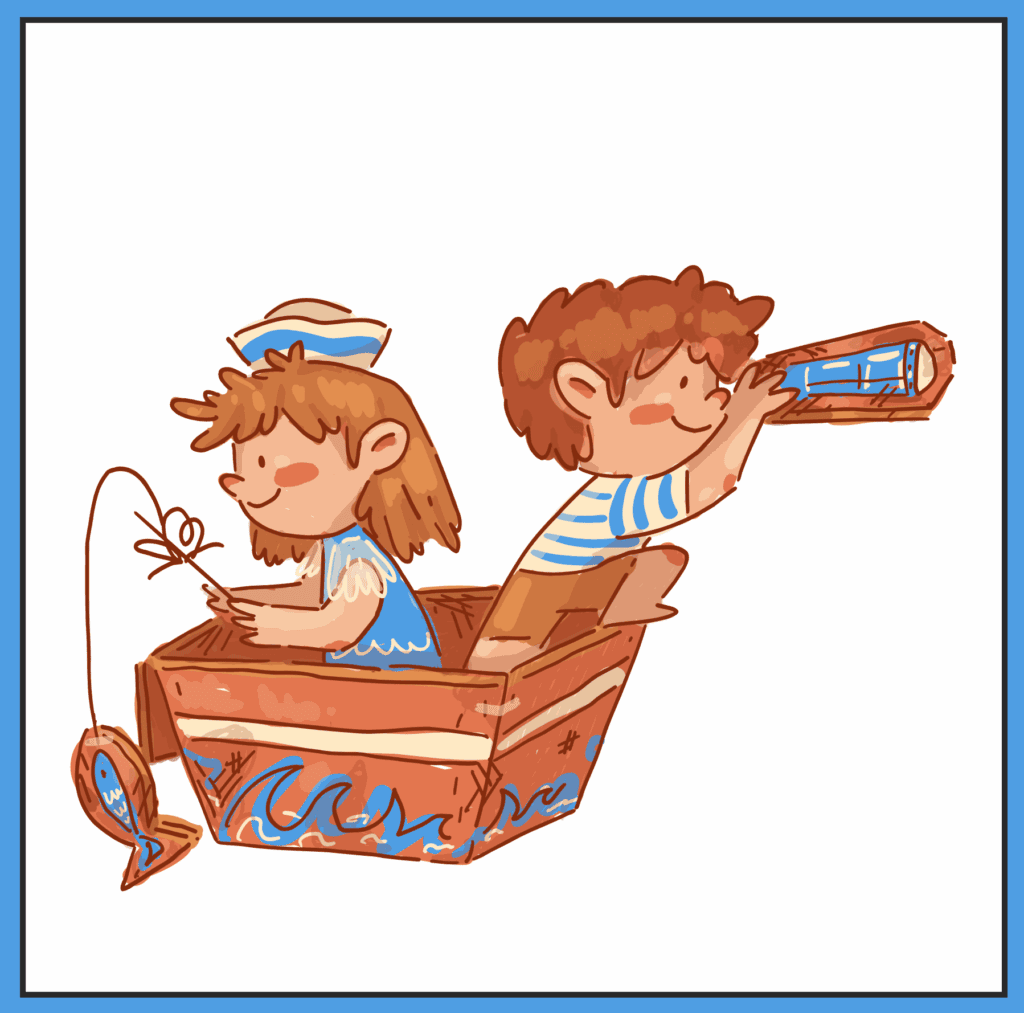
Make a foil boat to see how many pebbles, leaves or other cargo it will hold, then change the shape of the boat and compare cargo capacity.
Skills Developed:
curiosity
persistence
creativity
problem-solving skills
gross and fine motor skills
predicting
emergent STEM skills
learning conflict resolution
helping children to learn creative problem-solving skills alongside their peers
Play Pretend
Dramatic play – berry picking, fishing, gardening.
Skills Developed:
exploring self-empowerment
make choices
act out their feelings
math
self-regulation, especially in role-playing where children are expected to fulfill a particular part in the play scenario
Outdoor Games
Play outdoor games with family and friends such as Red Light-Green Light, Simon Says, Duck Duck Goose and other games that create opportunities for social interactions, waiting, and more!
Skills Developed:
self-regulation
initiative
curiosity
creativity
Garage Band
You can easily create musical instruments out of household items. Have fun with your child creating and “playing” your homemade instruments—you can even pretend to play a concert together.
Skills Developed:
rhythm
language
self-regulation
initiative
curiosity
creativity
Sandbox Treasure
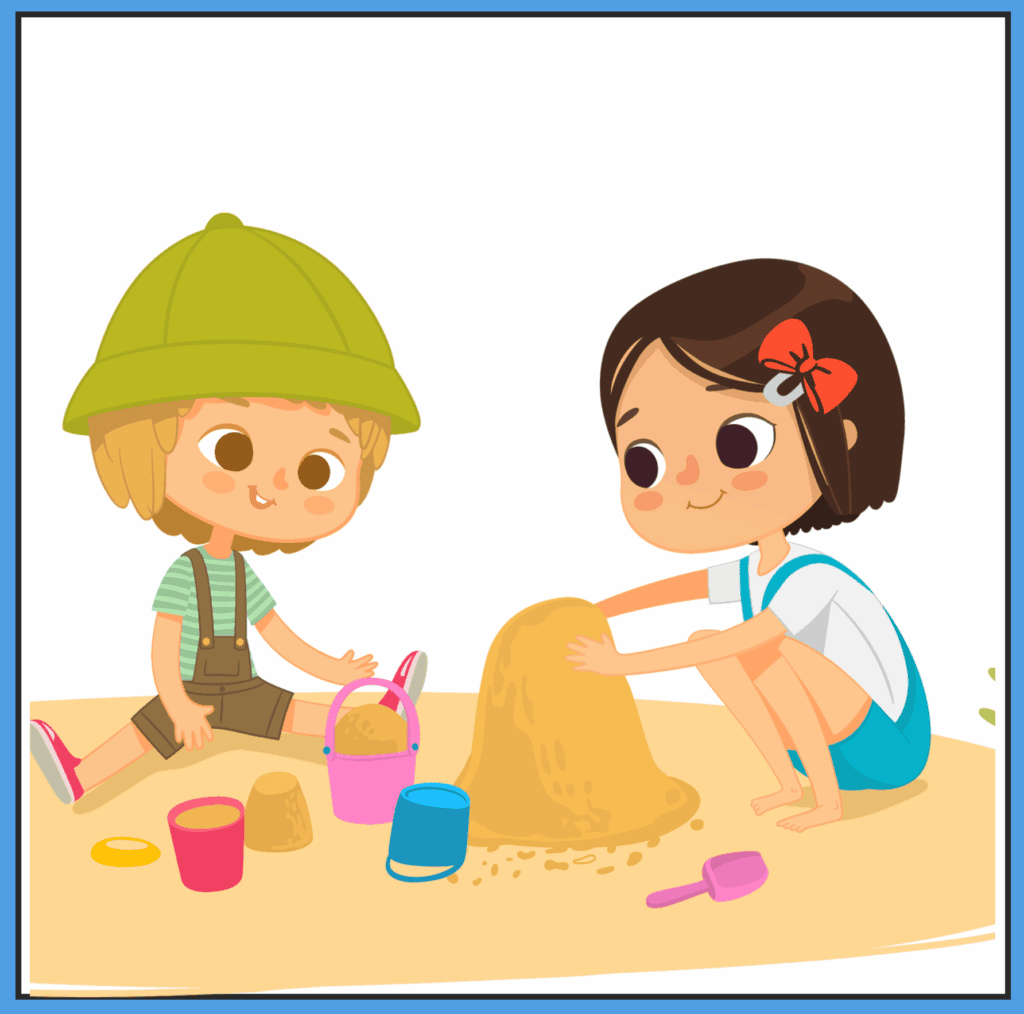
If your child has a sandbox, put small treasures in the sand and encourage your child to collect the treasures. If no sandbox is available, use a large flat tub outside to avoid a mess.
Skills Developed:
emotional and cognitive self-regulation
initiative
curiosity
lifting and lowering objects
object manipulation
persistence
language
Partner Obstacles
Create an obstacle course and have the children try to maneuver through it while holding their partner’s hand.
Invite Elders to participate in activities to provide context and cultural stories. For example, they can guide traditional dances or storytelling sessions, helping children understand cultural practices more deeply.
Place-Based Themes
Organize seasonal activities based on local events, like berry picking in the fall or ice fishing in winter. This not only engages the children with their local environment but also embeds traditional knowledge in their learning.