Clare Swan Early Learning Center > Alaska Developmental Profile Tool
This area focuses on how your child learns to understand and use language. From birth, babies begin developing the skills needed for reading and writing through their interactions with caring adults. Children learn language by hearing words often, understanding what familiar words mean, and then using these words to share their thoughts.
Learning Alaska Native languages like Iñupiaq, Yup’ik, Athabascan, Tlingit, Haida, Tsimshian, and Unangax̂ is especially important for Alaska Native children. These languages connect children to their heritage, traditions, and identity. When children learn their Native language, they gain a deeper understanding of their culture and community values.
Many Alaska Native children grow up in homes where both their Native language and English are spoken. This is a strength! Learning more than one language helps children’s brain development and prepares them for success in school and life. Parents can support language learning by sharing traditional stories, songs, dances, and cultural practices in both languages.
Language development refers to emerging abilities in listening and understanding (receptive language) and in using language (expressive language).
Language and literacy skills can develop in any language, and for the most part, they develop first in the child’s home language.
Language skills continue to expand, and by the end of the preschool period, children speak in adult-like sentences, tell and re-tell stories, use verbal humor, and engage in group discussions.
Activity: Read Alaska Native stories aloud, encouraging children to listen carefully and ask questions. Incorporate movements or props to help them visualize and retain key parts of the story.
Activity: Invite Elders to share words in Dena’ina or Yugtun. Encourage children to repeat the words and use them in context, such as during play or when describing items in the classroom.
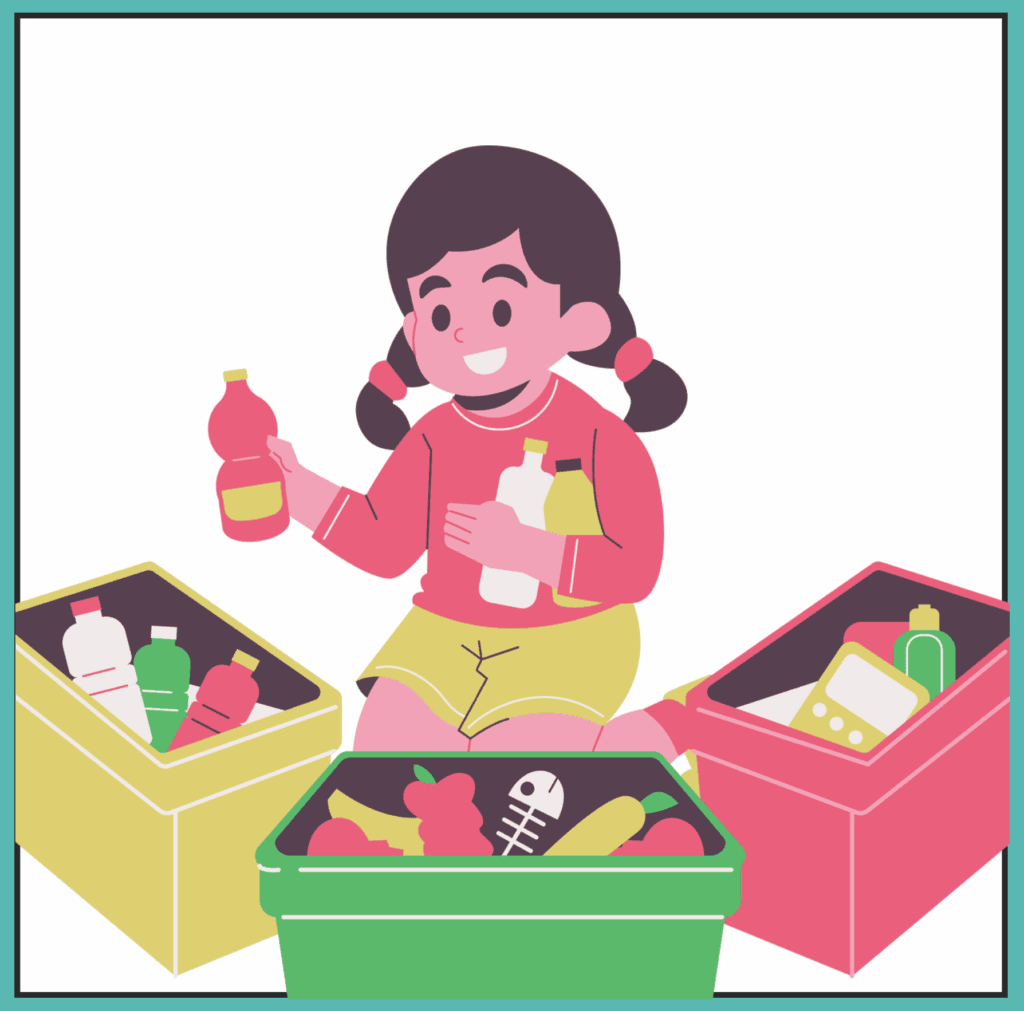
Ask your child to find the picture or object that does not belong and tell why.
Skills Developed:
Show ways to follow directions throughout the day. Get your child’s attention, make sure they are looking at you, and go over the steps you take when getting dressed, washing hands, brushing teeth, or cleaning up toys. You can even create a picture or sign with the list of steps for common daily tasks. Later give 2-step directions
Skills Developed:
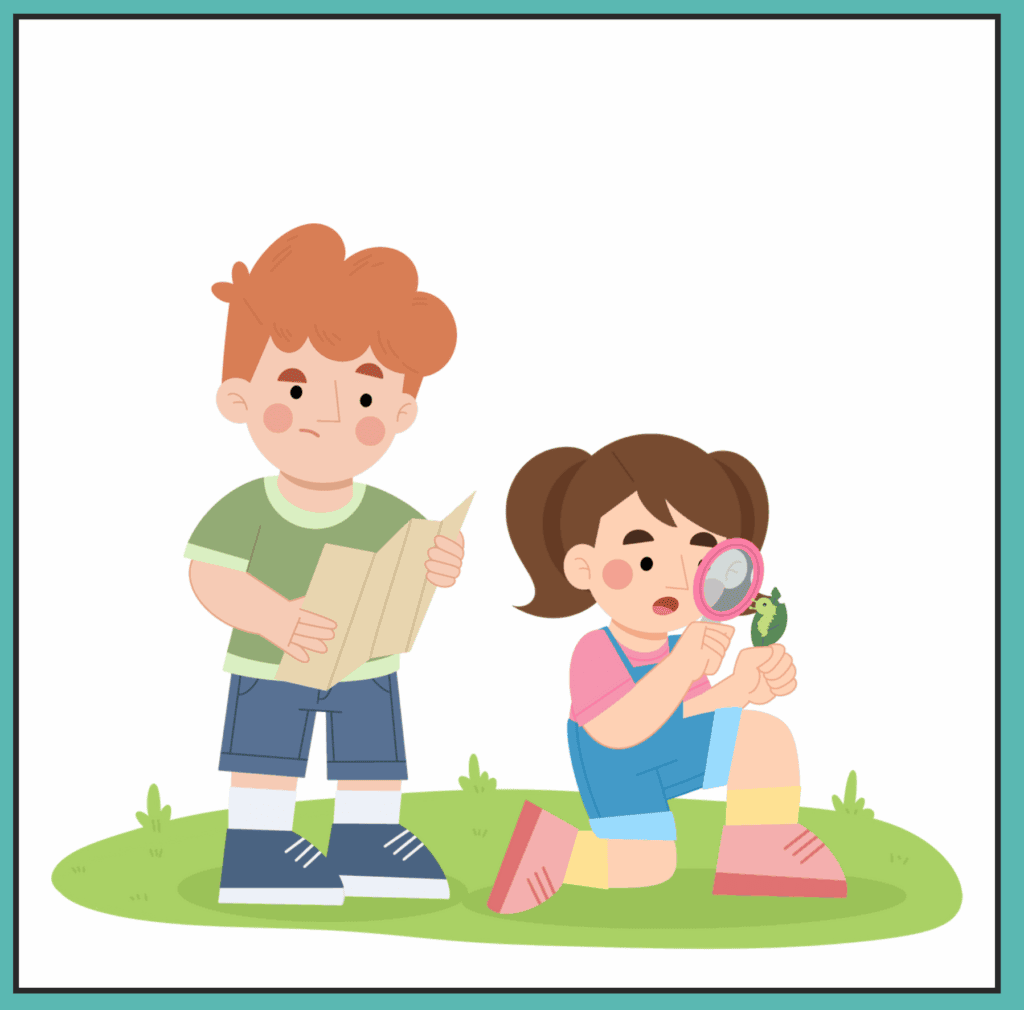
Ask your child to identify things they might see in their yard or on a walk such as leaves, sticks or pebbles. Create a title and label your graph. Here are two examples. Pretend to be a scientist: keep track of what you see or collect and then record the data. Talk about the results: counting or thinking about which had the most or fewest.
Skills Developed:
Have your child help gather the ingredients. Some recipes have pictures of ingredients, making them easier to find. Talk about what you do first, second, and so on. Encourage your Little One to describe what they are doing (mix gently or stir quickly, pound hard).
Children can also learn about numbers and measurements while cooking.
Skills Developed:
Hide 10 of your child’s favorite items throughout your home or yard—and create a simple checklist. Can they find and mark them off the checklist of pictures and/or words? Help them as they hunt to find all 10. You can give clues like “move five steps”, “move backward”, “Take two steps toward the window”.
Skills Developed:
Singing nursery rhyme songs like Row, Row, Row Your Boat and Wheels on the Bus teaches them about different sounds and words. Singing songs and hearing rhymes will help children learn to read.
Skills Developed:
Have your child pick out a puzzle. Talk about the pictures on the box. What new words can be found in the puzzle? Look for curves, corners, and color variations. Find puzzles that have different themes, like holidays, animals, or foods.
Skills Developed:
Click here to download a PDF of the activities, ready to be printed as two-sided cards.
Invite Elders to participate in activities to provide context and cultural stories. For example, they can guide traditional dances or storytelling sessions, helping children understand cultural practices more deeply.
Organize seasonal activities based on local events, like berry picking in the fall or ice fishing in winter. This not only engages the children with their local environment but also embeds traditional knowledge in their learning.