Physical Well-Being, Health, and Motor Development
This area focuses on your child’s physical growth and movement skills. During early childhood, children’s brains grow very quickly. Being active and healthy helps this brain growth. When children are physically healthy, they have the energy to learn and play. Every child grows at their own pace – some children may walk or crawl months earlier or later than others, and that’s perfectly normal.
This is foundational to children’s learning in all areas because it permits children to fully explore and function in their environment. This area of development is represented as four elements:
perception
gross motor
fine motor
health, safety, and nutrition
Large Motor Skills
Activity: Organize a traditional Alaska Native game like “Seal Hop” where children imitate the hopping of seals using their whole bodies. This will develop balance, coordination, and strength.
Small Motor Skills
Activity: Have children practice sewing simple items such as small felt kuspuks (traditional garments) with assistance. This helps develop hand-eye coordination and fine motor skills.
Activities
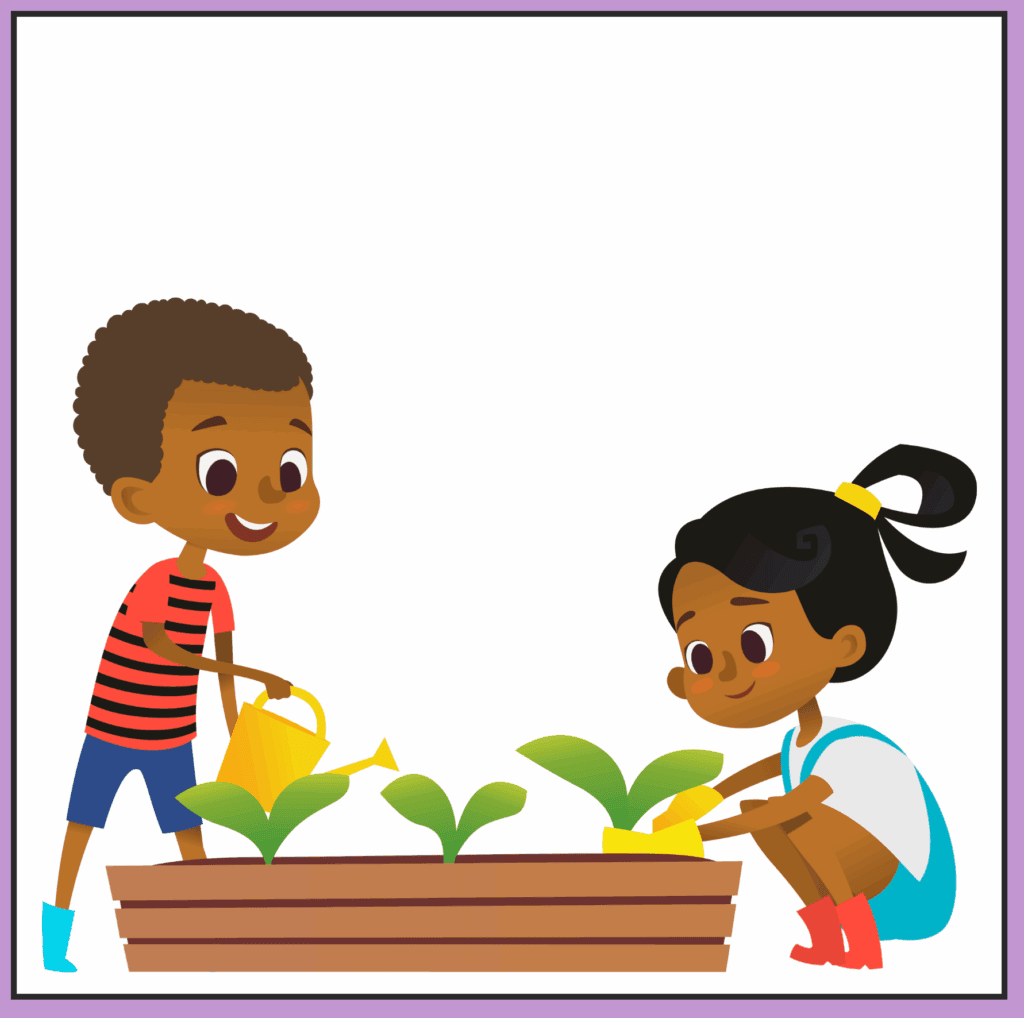
Plant a Garden
Plant a garden or go to a farm to pick cherry tomatoes, in season berries, cucumbers, or sugar snap peas.
Skills Developed:
work in teams
take turns
share resources needed to build their gardens
Fine motor control and also work larger muscles bilateral coordination.
Make a Zoo
Make a block/Lego zoo and add plastic animals.
Skills Developed:
fine motor skills
developing dexterity and strength in the fingers
improved eye/hand coordination
spatial skills
Go For a Walk
Go for a walk and collect things.
Skills Developed:
leg strength
balance
the ability to shift your weight while in motion
manage changes in surfaces and inclines
move up and down stairs
balance
stamina
Walk Like an Animal
Walk like animals (bear, crab, duck, frog, rabbit).
Skills Developed:
coordination and balance
strengthen core
develops flexibility
gross motor
body awareness
spatial awareness
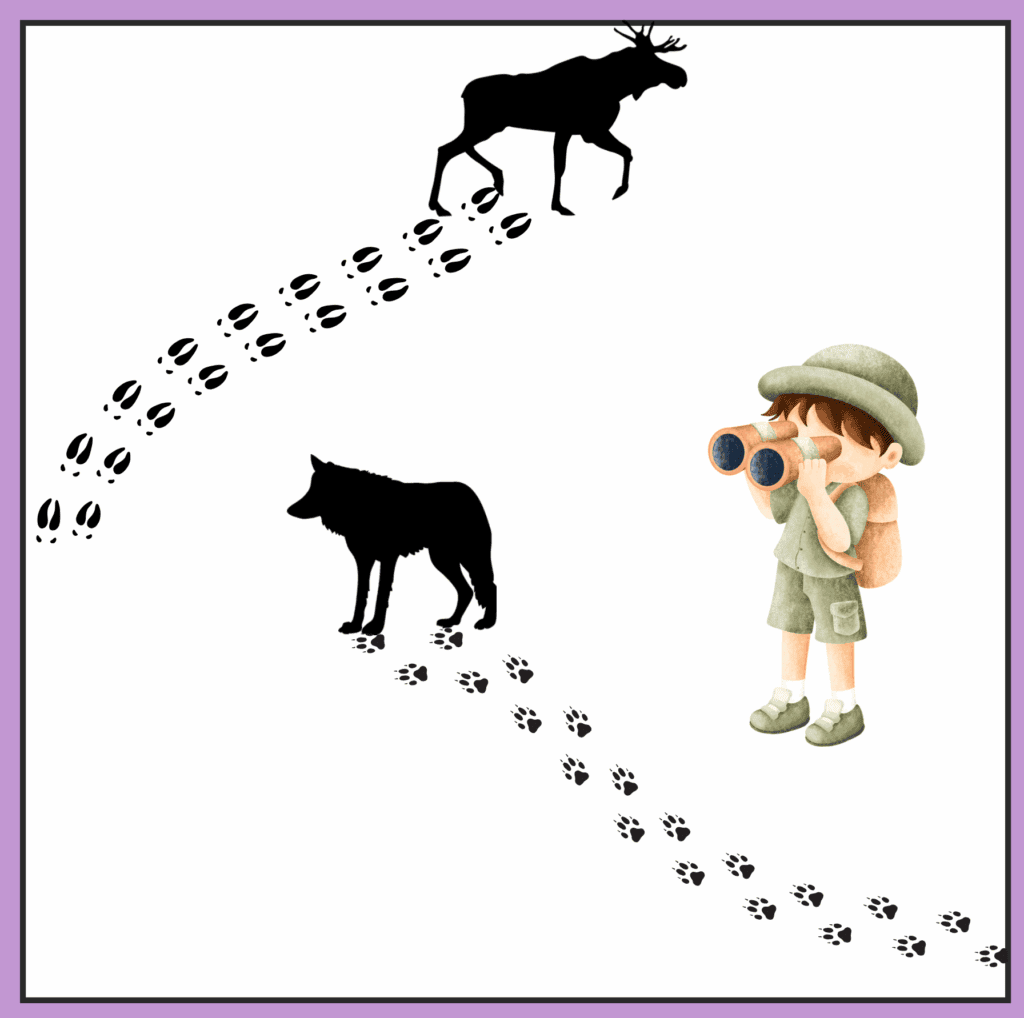
Animal Track Hunt
Go for a walk after it rains and look for tracks. Name the animal or person who made the tracks, try to step in the tracks.
Skills Developed:
balance their body
improves coordination and gross motor skills
regulates brain chemicals and reduce stress
promotes motor skills, bones, and muscles
River Obstacles
Draw a river with sidewalk chalk, adding obstacles fish may encounter (log jam, bear, fish wheel). Invite your preschooler to be a fish and traverse the river. Later take turns jumping the river.
Skills Developed:
building physical techniques
fine motor skills
coordination skills
Paint the Sidewalk
Let children use a paint brush or sponge to “paint” the sidewalk or side of building with water.
Skills Developed:
gross motor
building finger, wrist, and hand strength while improving their hand-eye coordination
Invite Elders to participate in activities to provide context and cultural stories. For example, they can guide traditional dances or storytelling sessions, helping children understand cultural practices more deeply.
Place-Based Themes
Organize seasonal activities based on local events, like berry picking in the fall or ice fishing in winter. This not only engages the children with their local environment but also embeds traditional knowledge in their learning.