This area focuses on how your child learns to understand feelings and get along with others. Children are naturally social and form close bonds with their caregivers from birth. During the first five years, these relationships help children learn about themselves and how to interact with others.
Children need loving, consistent relationships to develop healthy social skills. Through play and guidance, they learn how to share, take turns, express feelings appropriately, and understand others’ emotions.
Taking your child to community events and cultural celebrations helps them build their identity and learn important social skills. These experiences teach children community values and help them feel connected to others.
Children look to adults for clues about how to act and feel. When we manage our own emotions well, we teach children how to do the same. Simple activities like taking walks, deep breathing, or quiet time can help both adults and children learn to handle stress in healthy ways.
Social and emotional development begins the day your child is born. This is when children start to understand who they are, if the world is a safe place, what they are feeling and what to expect when interacting with others. It’s when they learn how to form and sustain positive relationships; experience, manage, and express emotions.
Children who acquire a strong emotional foundation skill in the early years can better manage everyday social interactions later in life. It is critical for the development of overall brain architecture and has enormous consequences on their ability to learn.
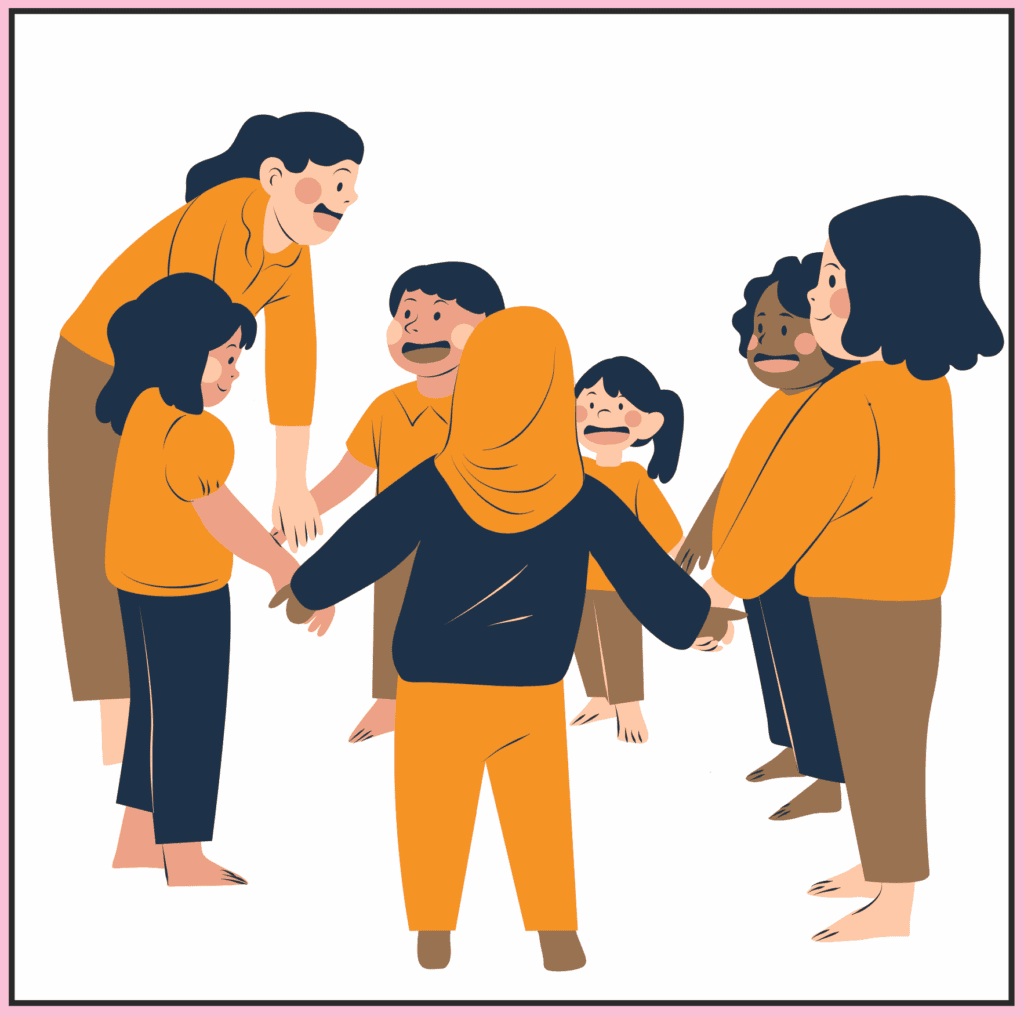
Participating Positively in Group Activities
Activity: Encourage children to participate in storytelling circles, where Elders or teachers share traditional Alaska Native stories. Children can take turns acting out parts of the story in a group.
Regulating Feelings and Impulses
Activity: Incorporate role-play with culturally relevant scenarios such as berry picking or gathering fish. This allows children to practice patience, taking turns, and resolving conflicts.
Activities
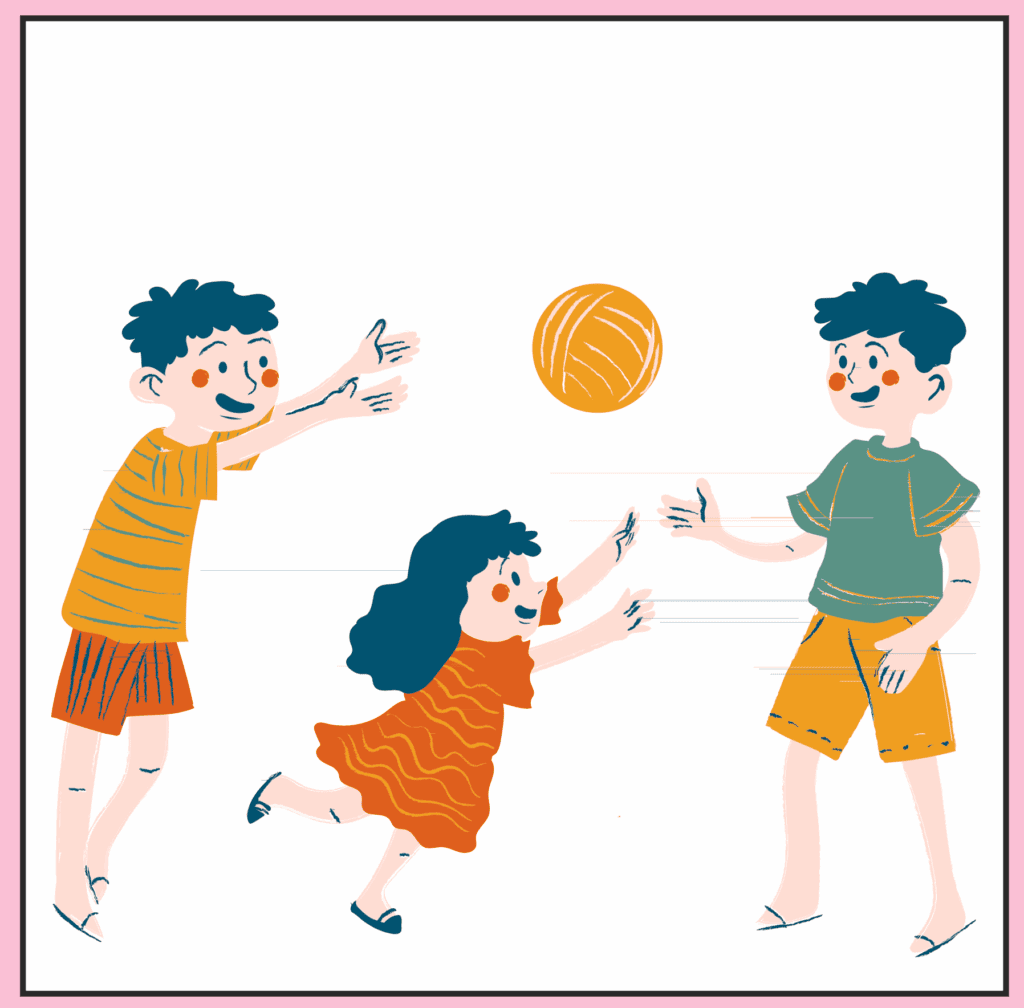
Play Catch
Take turns playing catch.
Skills Developed:
taking turns
cooperation
hand-eye coordination
depth perception
It also works to help children coordinate opposite sides of the body and to develop timing and accurate movement of their body.
Build a Fort
Cooperate with a partner to make a cardboard box fort, then turn it into a veterinary clinic with stuffed animals or parking garage for trikes.
Alternatively, turn your box into a boat.
Skills Developed:
independence and autonomy
creativity
decision making
problem solving
self-esteem
Picnic
Host a picnic outside.
Skills Developed:
cooperate, share, recognize emotions
listen to others
forming friendships
responding to conversations
physical interaction
resilience
Closet Clean-Out
Clean out a closet and give away outgrown clothes or toys.
Skills Developed:
compassion
generosity
empathy
Helping Hands
With a crayon or marker invite child to draw “Helping Hands”, then wash their hands to help prepare food.
Skills Developed:
self-control (executive functions)
cooperation
relations with others
taking turns
Obstacle Course
Let children lead in building an obstacle course outside.
Skills Developed:
cooperation
regulate emotions and behaviors
establish and sustain positive relationships
participate cooperatively and constructively in group situations
relationships with others
expressive and receptive language
Join a Group
Teach your child how to join a group; “Can I help you build the tower?” or “Can I help cook the pizza?”
Invite Elders to participate in activities to provide context and cultural stories. For example, they can guide traditional dances or storytelling sessions, helping children understand cultural practices more deeply.
Place-Based Themes
Organize seasonal activities based on local events, like berry picking in the fall or ice fishing in winter. This not only engages the children with their local environment but also embeds traditional knowledge in their learning.